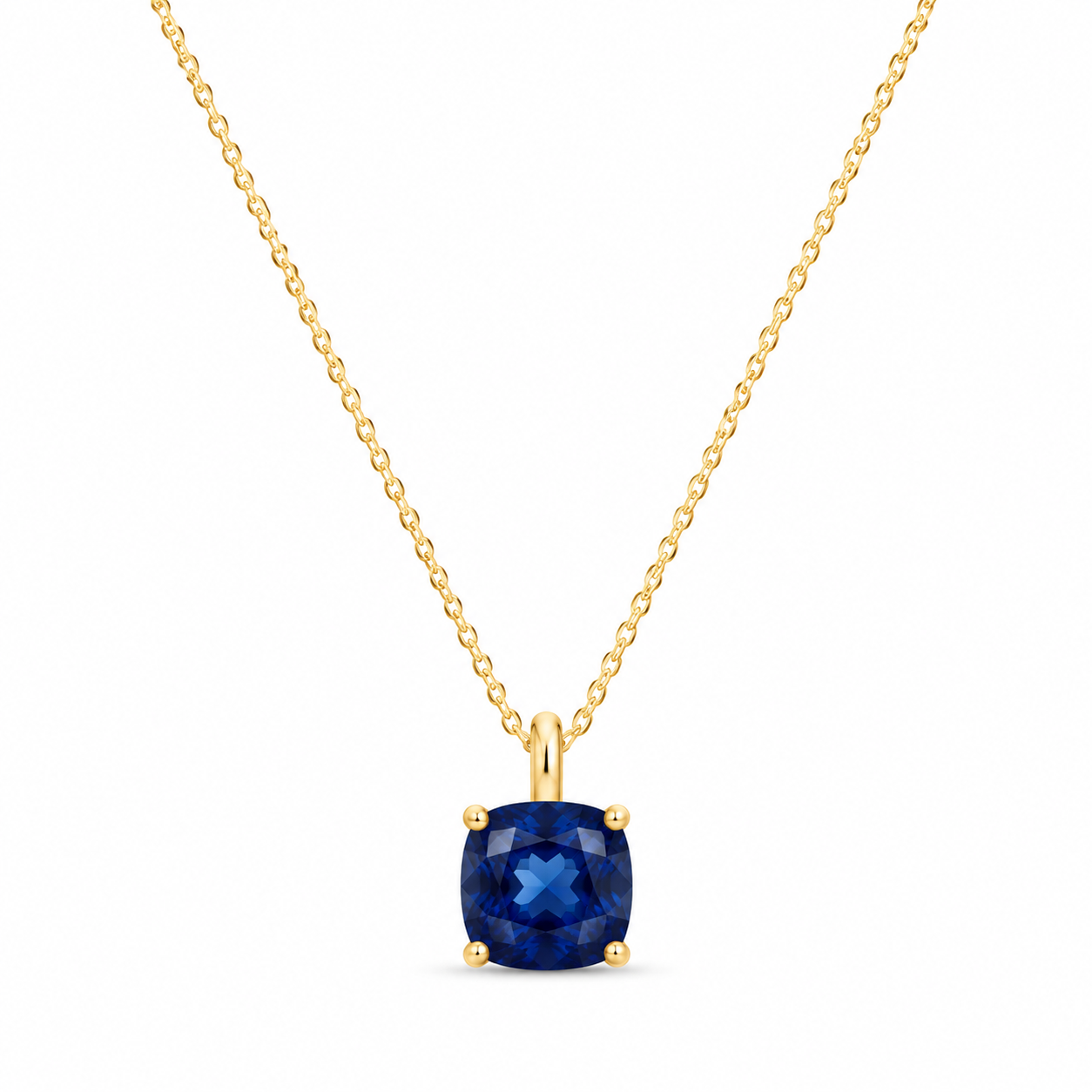
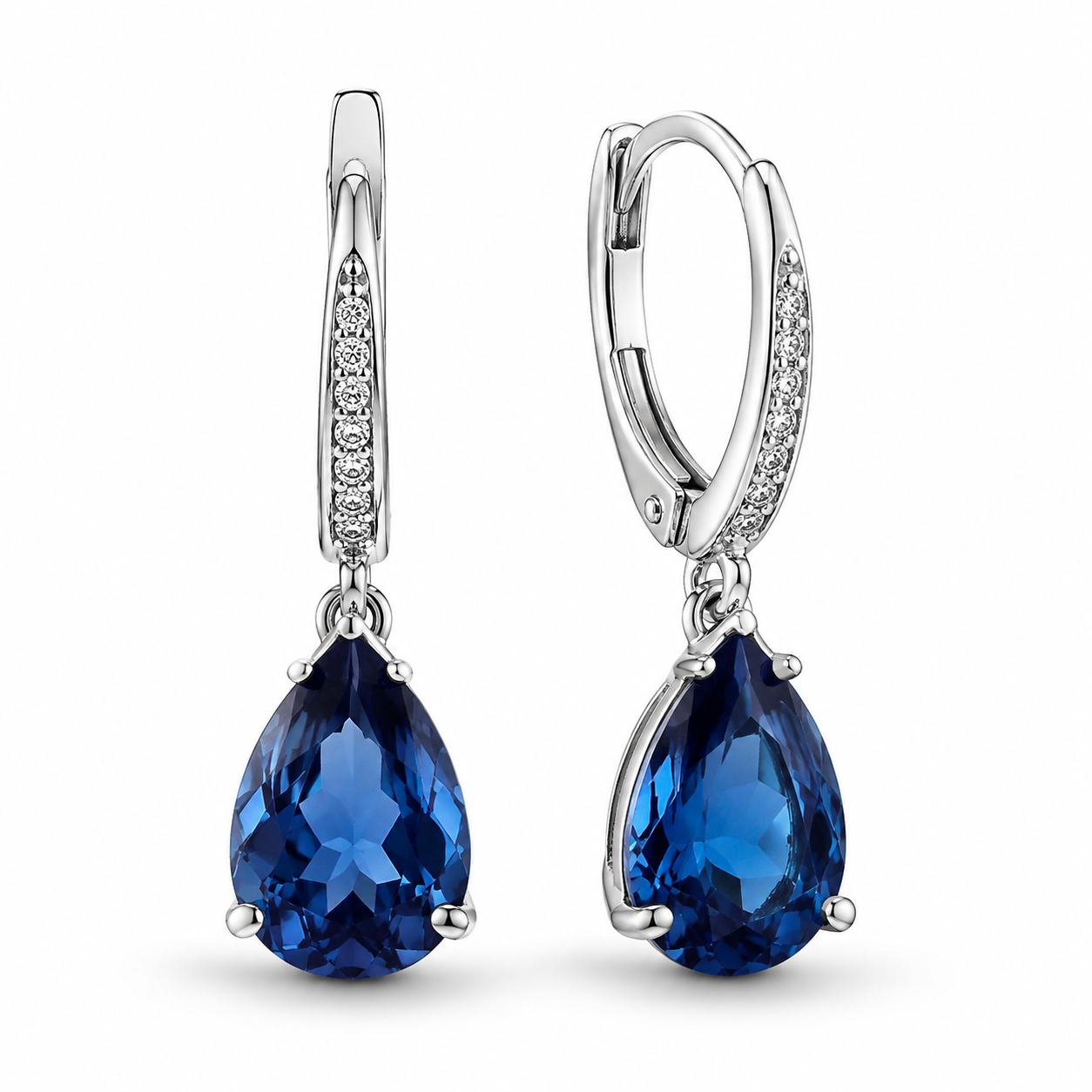
Compare current September Birthstone Jewellery options, with practical checks for materials, sizing, finish and everyday wear.
Read more
Choosing September birthstone jewellery
September birthstone jewellery is often presented through blue stones and sapphire wording, but the precise stone, colour, construction and included parts can differ between listings. Treat September as the theme, then identify the exact piece being compared. Record the stated stone, metal, measurements, fastening and selected variation rather than relying on the title or photographs alone.
Start with sapphire, not only blue
Sapphire is the September birthstone. Blue is the colour most often associated with it, but it is not the only possibility. The Gemological Institute of America explains that sapphire occurs in many colours, including pink, yellow, orange, green, purple and violet; red corundum is called ruby rather than sapphire. Colourless stones, and stones with colours between the named hues, may also appear. Read the seller’s exact colour description instead of assuming that a September gift must be dark blue. See the GIA sapphire colour guide for the gemmological colour overview.
Photographs can shift with lighting, editing and screen settings. Compare all available images for the selected variation, then use the written colour and stone information as the reference. A listing may use sapphire to describe a natural stone, a laboratory-created stone, a simulated stone, a colour or a decorative theme. Record which wording is actually supplied. If origin, treatment or composition matters and the listing does not answer it, ask the retailer rather than inferring it from colour.
Choose the jewellery format around the wearer
A pendant can be a simple September accent, while a complete necklace also requires a decision about chain style, length and fastening. Stud earrings keep the design close to the ear; drops, hooks and hoops introduce movement and a different scale. Rings require a reliable size and a look at the setting from the side. Bracelets need useful length and clasp information. Brooches, charms and coordinated sets can suit someone who already wears those formats. Start with the recipient’s existing jewellery.
For an everyday piece, compare projection, moving parts and how it will sit beside clothing, a watch or other jewellery. For an occasional piece, consider whether the recipient enjoys a more prominent stone arrangement or decorative drop. A gift tied to a birthday, anniversary or another date still needs enough ordering time and a review of current dispatch and return terms. Personalisation, pierced jewellery and selected ring sizes may have different conditions, so read those terms before ordering.
Separate stone arrangement from holding method
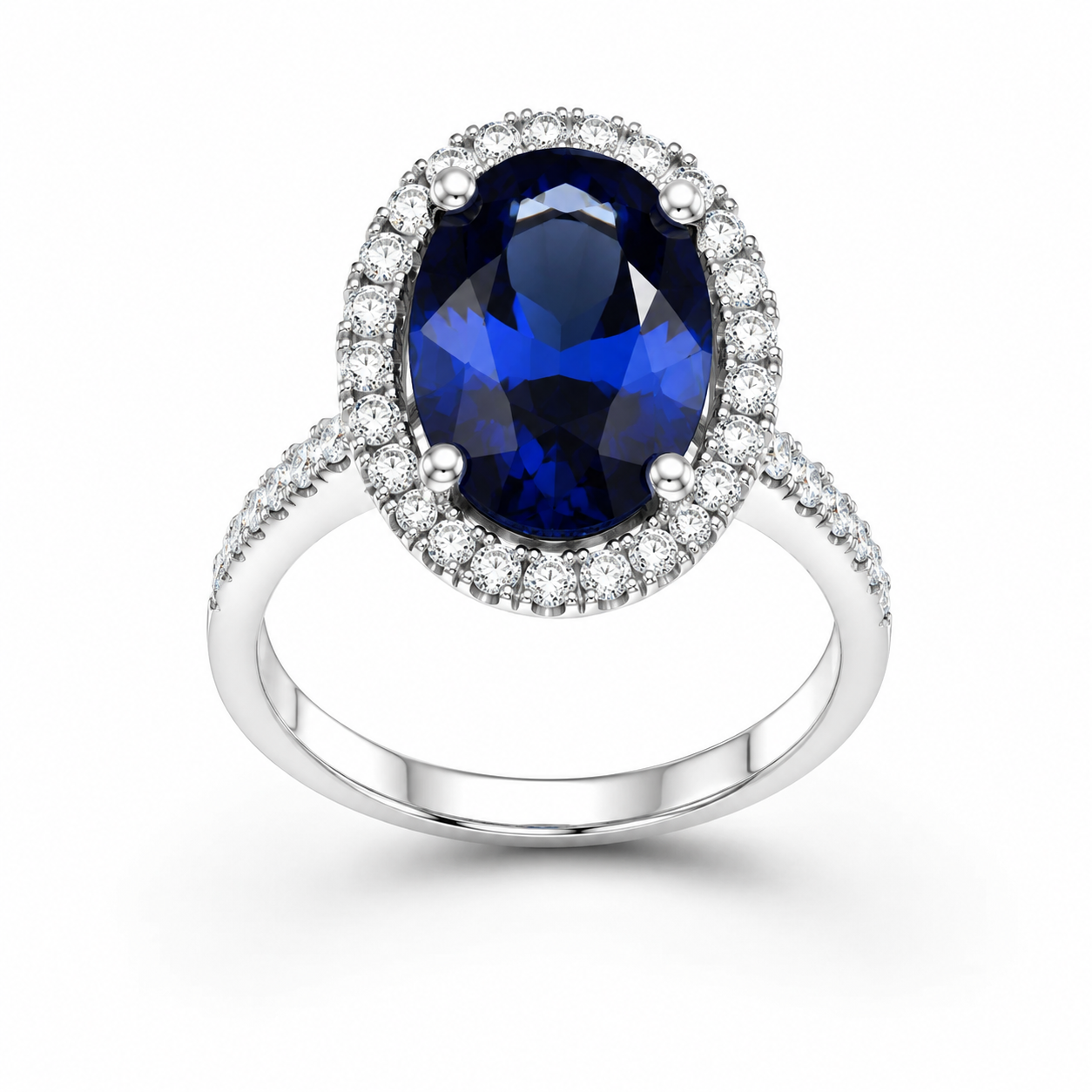
Solitaire, halo and cluster describe the overall arrangement of stones. A solitaire centres attention on one stone. A halo places smaller stones around a centre, while a cluster groups several stones into one composition. These layout terms do not, by themselves, explain how each stone is held. Inspect the listing and side views for that separate construction detail.
Prongs or claws touch a stone at individual points. A bezel surrounds all or part of a stone with a rim of metal. A channel places stones between parallel metal walls, often in a line. Pavé describes closely spaced small stones held with small areas of metal. Sellers may use these terms unevenly, so compare the wording with clear front, side and back photographs. Do not treat any named method as proof of security, comfort or durability. If the construction is important and cannot be identified, leave it as an unanswered question for the retailer.
Compare pendants and complete necklaces
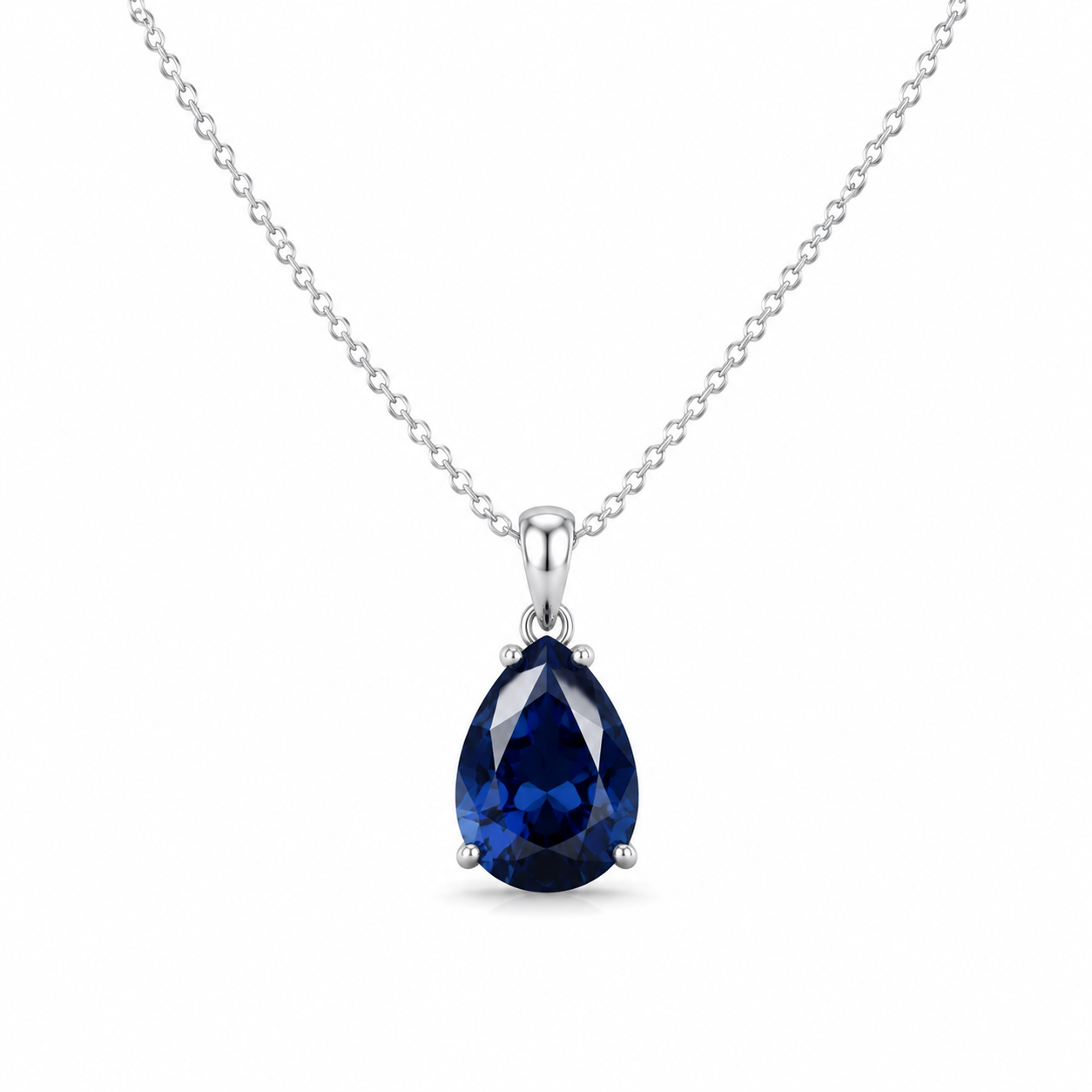
First confirm whether the listing is for a pendant alone or includes a chain. When a chain is supplied, record its stated length, any extender and its fastening. When it is not supplied, compare the pendant’s bail or connector opening with both the intended chain links and the chain’s end fitting. A chain can appear narrow enough while its clasp or end tag is too large to pass through the opening.
Compare the pendant’s stated height, width and depth with a piece the wearer already knows. Check whether those measurements include the bail and whether a decorative drop moves independently. A small solitaire-style pendant, a halo arrangement and a larger cluster can each create a different visual scale even when photographs fill the same amount of screen. Written dimensions are the better basis for comparison.
Compare September earrings by fitting and scale
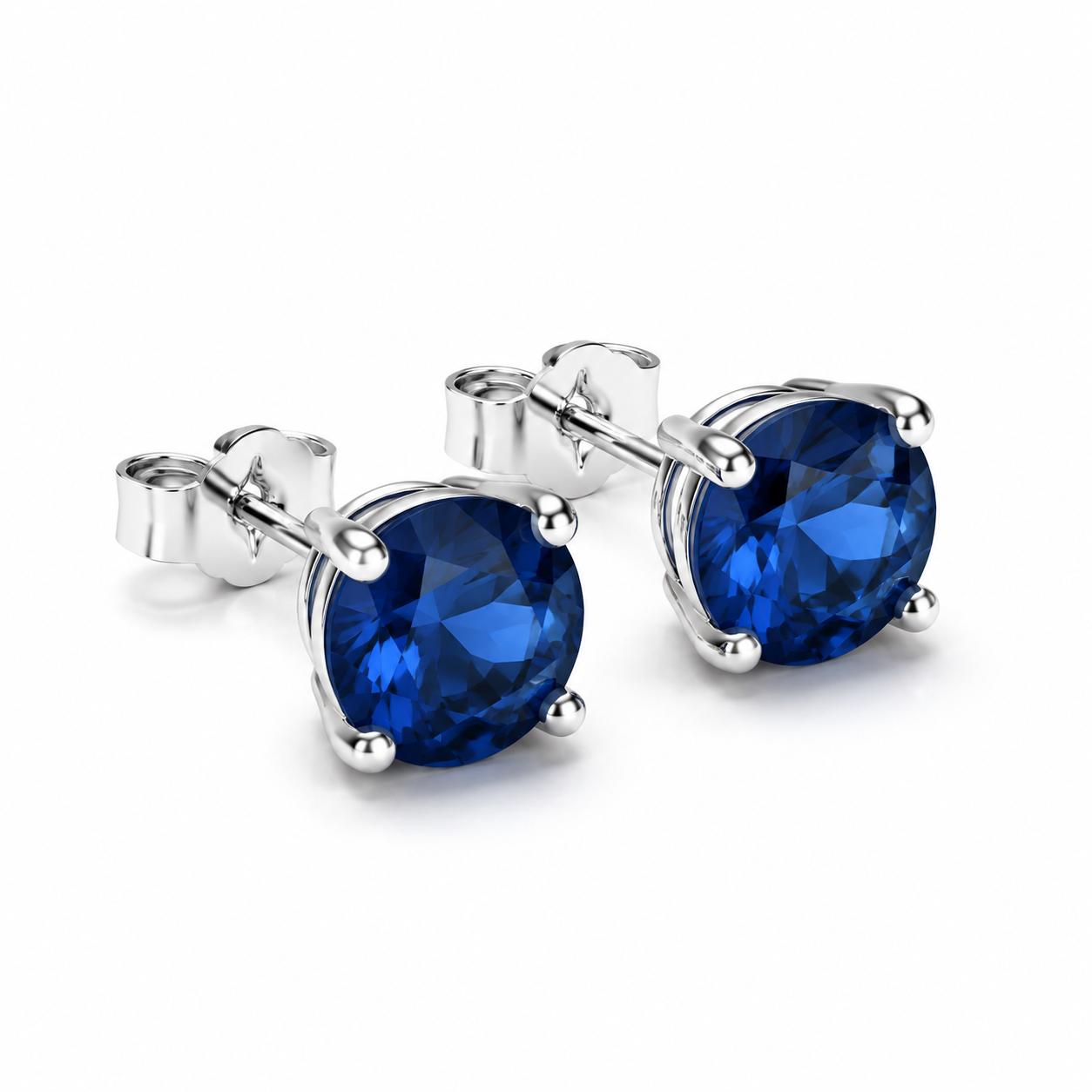
Decide whether the wearer normally uses studs, hooks, hoops, lever backs, clips or another fitting. Confirm that the listing supplies a pair and states whether backs are included. For studs, compare the decorative width and the type of back. For drops, record the complete drop rather than only the stone measurement. For hoops, check the stated diameter and how the decorative element is attached.
Front photographs show the design, while side and back photographs reveal the post, hinge, hook and any open metalwork. Check whether drops or charms are fixed or removable and whether the selected variation changes the fitting. If component materials matter, look for information about the posts, hooks and backs as well as the visible setting.
Shortlist September rings by size and profile
Use the retailer’s ring-size guide and confirm its sizing system. If measuring a ring that already fits, follow the stated method and use a ring worn on the intended finger. An adjustable description should be supported by the seller’s sizing information; it does not mean unrestricted fit. Check whether choosing a size or engraving changes the return terms.
Look at the ring from the side as well as from above. A raised solitaire, halo or cluster can sit differently beside another band from a lower profile. Note the decorative width, setting height and any projecting points when those details are stated or clearly shown. These observations help compare profiles, but they cannot guarantee individual comfort or fit.
Consider bracelets, charms and matching gifts
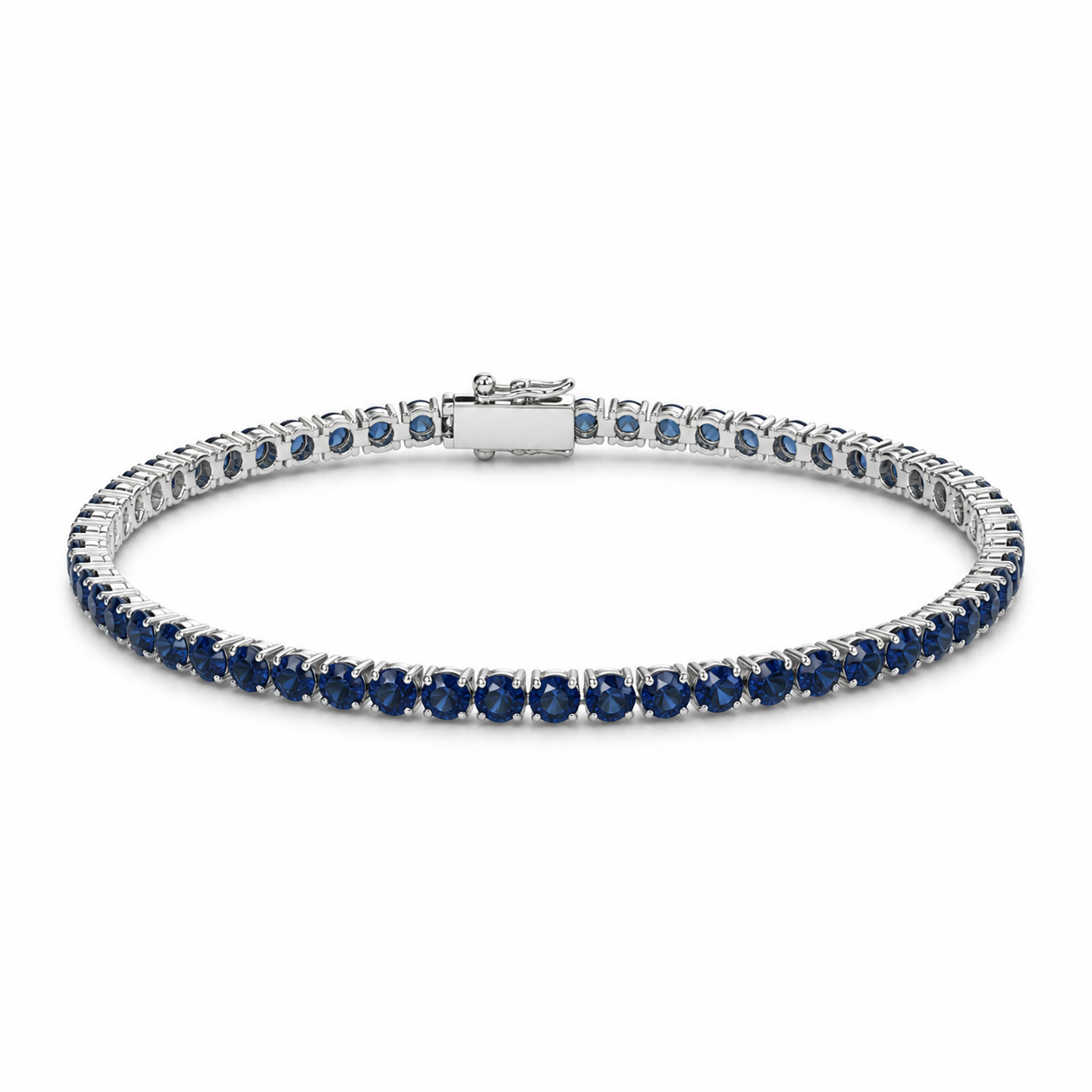
For a bracelet, distinguish its full length from the wearable measurement given by the seller. Check the clasp, any extender and whether the September stone is a fixed centre, a repeating feature or a hanging charm. For a separate charm, confirm the connector type and the dimensions of the opening rather than assuming it fits every bracelet or chain.
A matching set should identify every included item and give separate measurements and fittings. Make sure a box, spare backs, extender or care cloth is actually included rather than used as a photographic prop. For jewellery featuring several birthstones, confirm which position represents September and how names, initials or dates will be assigned. Keep a copy of every selected option before completing a personalised order.
Check the materials and finish
Record the stone wording, base metal, finish and component details for the exact variation. White, yellow and rose colours do not prove metal composition, and a headline material may not describe posts, backs, clasps or chains. The broader Birth Stone Jewellery guide explains the general checks for metal descriptions, plating, measurements, retailer information and care. Use those checks here, then concentrate this September shortlist on sapphire wording, colour, jewellery format, setting and gift options.
Plan care from the confirmed specification
Follow the maker’s instructions for the stated stone, setting, metal and finish. Do not assume that a cleaner described for one sapphire or silver item suits a plated piece, an adhesive-set stone or every accent material. Store chains so they do not tangle, keep small backs and removable charms with the correct item, and retain any care information and order reference. If the piece changes or a component appears loose, stop wearing it and seek an appropriate assessment rather than attempting an unsupported repair.
Use a final September checklist
Before choosing, confirm the selected piece type; exact stone and colour wording; any treatment information supplied; stone arrangement and holding method; stated dimensions; base metal and finish; chain, fastening, earring fitting or ring size; included parts; personalisation; care guidance; dispatch timing; and return terms. Check that every photograph and specification refers to the same colour and size variation.
Then list what remains unknown. Is the September stone the main feature or an accent? Is a photographed chain included? Does the selected metal option alter any component? Are the measurements practical beside jewellery the recipient already wears? Has each personalised detail been copied correctly? Answering those questions produces a focused September birthstone shortlist without relying on a blue-only assumption, an exaggerated photograph or an unsupported claim about material, fit or construction.